
A writer at the intersection of AI, climate, and institutions
Arda Öztaşkın is a writer and communications executive working at the intersection of artificial intelligence, sustainability, and systems thinking. He has led corporate communications, brand strategy, and social impact functions for more than two decades at leading Turkish institutions.
His column appears weekly in Ekonomi Gazetesi; his essays and contributions are published in Harvard Business Review Türkiye and on Smart Sustainability, the English section of his platform. He writes about the collision of AI, climate, and institutional trust — and coins the vocabulary that collision needs.
He is the author of four books: What Makes Life Livable Is Space (2026), a descriptive translation of Hayatı Yaşanır Kılan, Boşluktur; The Loneliness Economy (2026), The Two Faces of Power: AI and the Future of Humanity (2024), and It's Not a Climate Crisis, It's a Human Crisis (2023).
This site is a personal publication; the views expressed here are his own and do not represent any institution.
Areas of work
- Artificial intelligence and society
- Climate crisis and sustainability
- Corporate communications and brand strategy
- Sustainability communications
- Technology ethics and the future
- Humans, loneliness, and the digital age
Four books
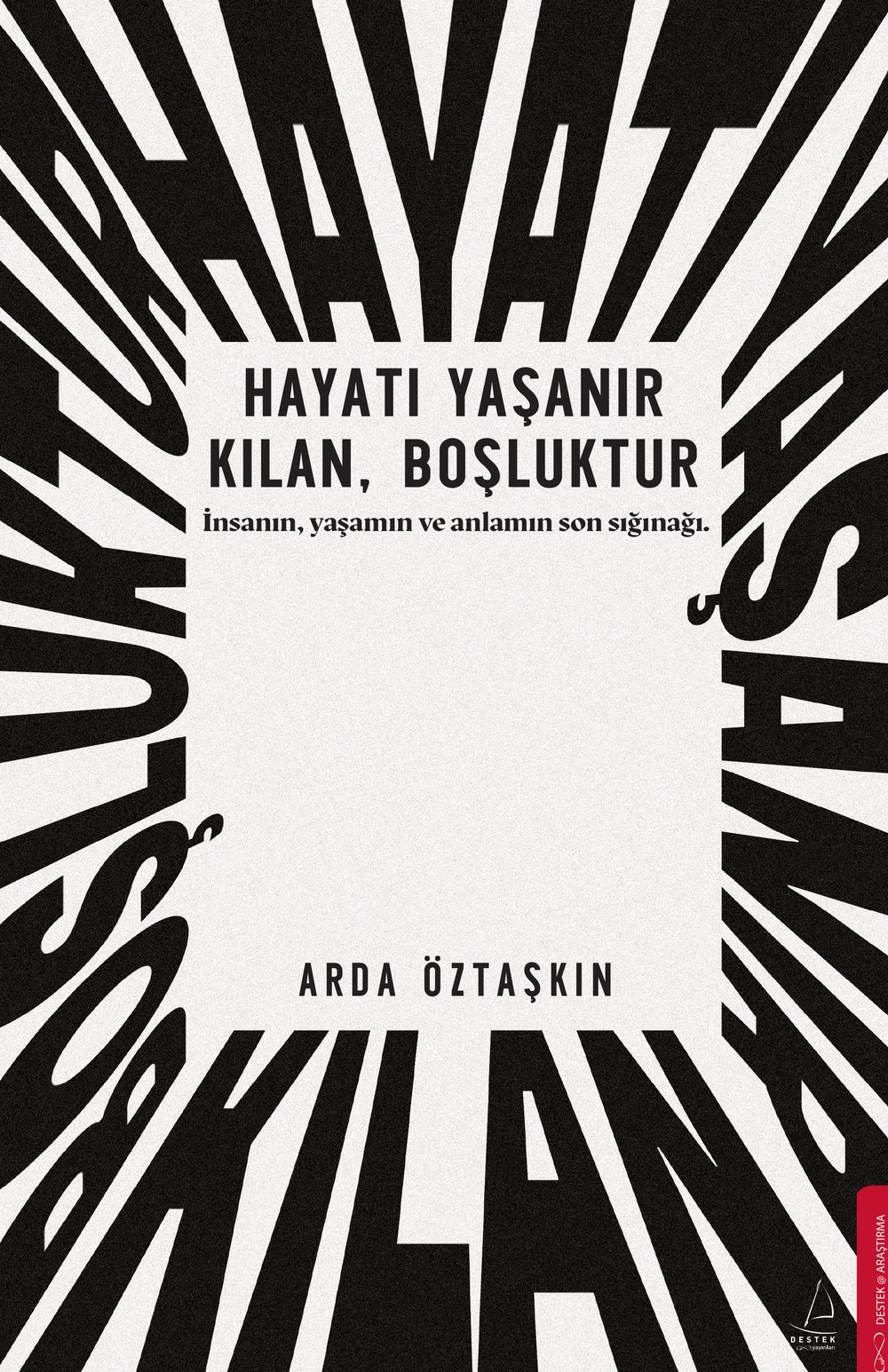
What Makes Life Livable Is Space
Descriptive English translation.
Original title: Hayatı Yaşanır Kılan, Boşluktur
A defence of trust, judgment, meaning, and time spent together in an age that subjects everything to calculations of efficiency.
Find on Amazon →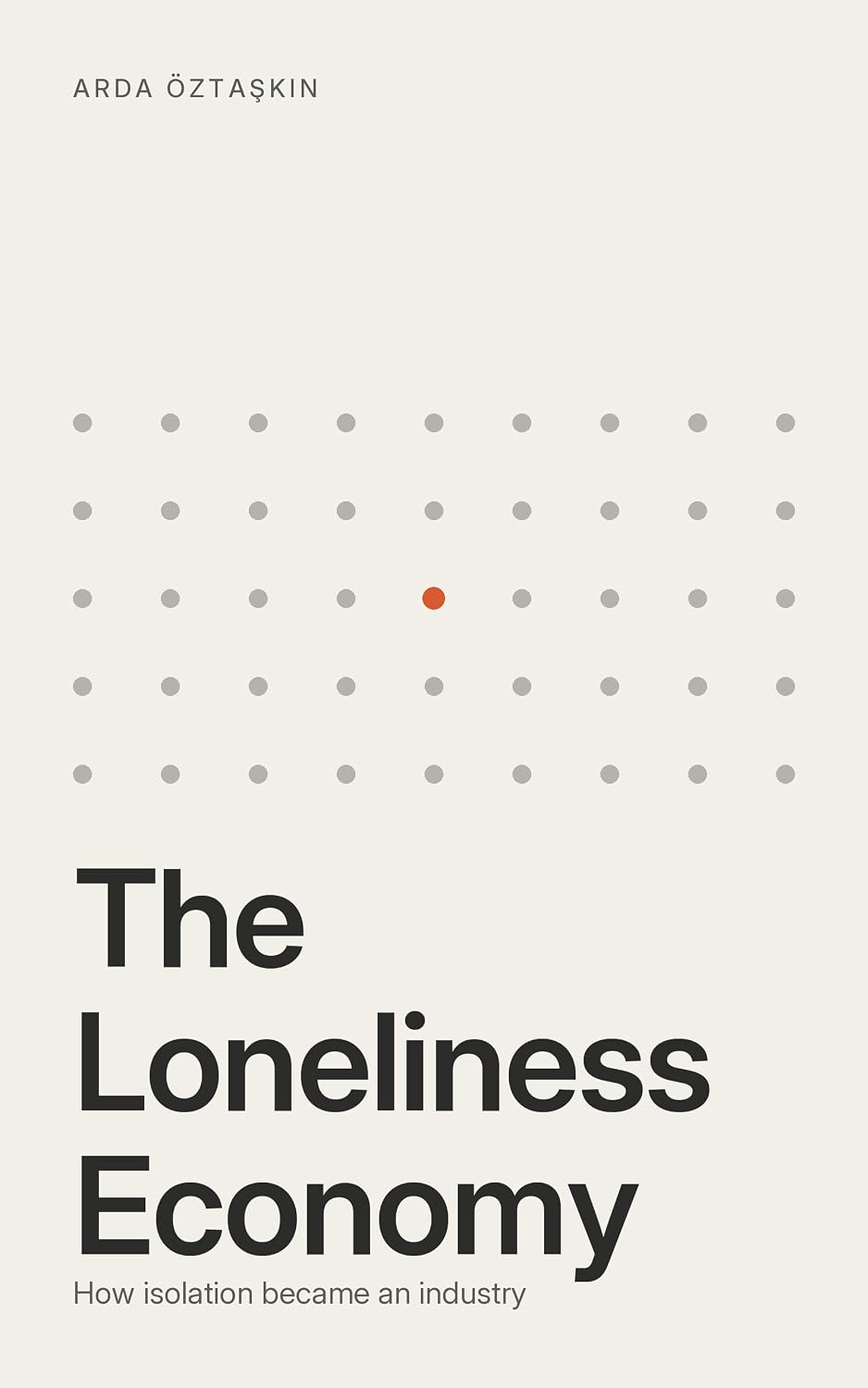
The Loneliness Economy
Original title: Yalnızlık A.Ş.
How loneliness became a market — and what a society organised around it forgets about being human.
Find on Amazon →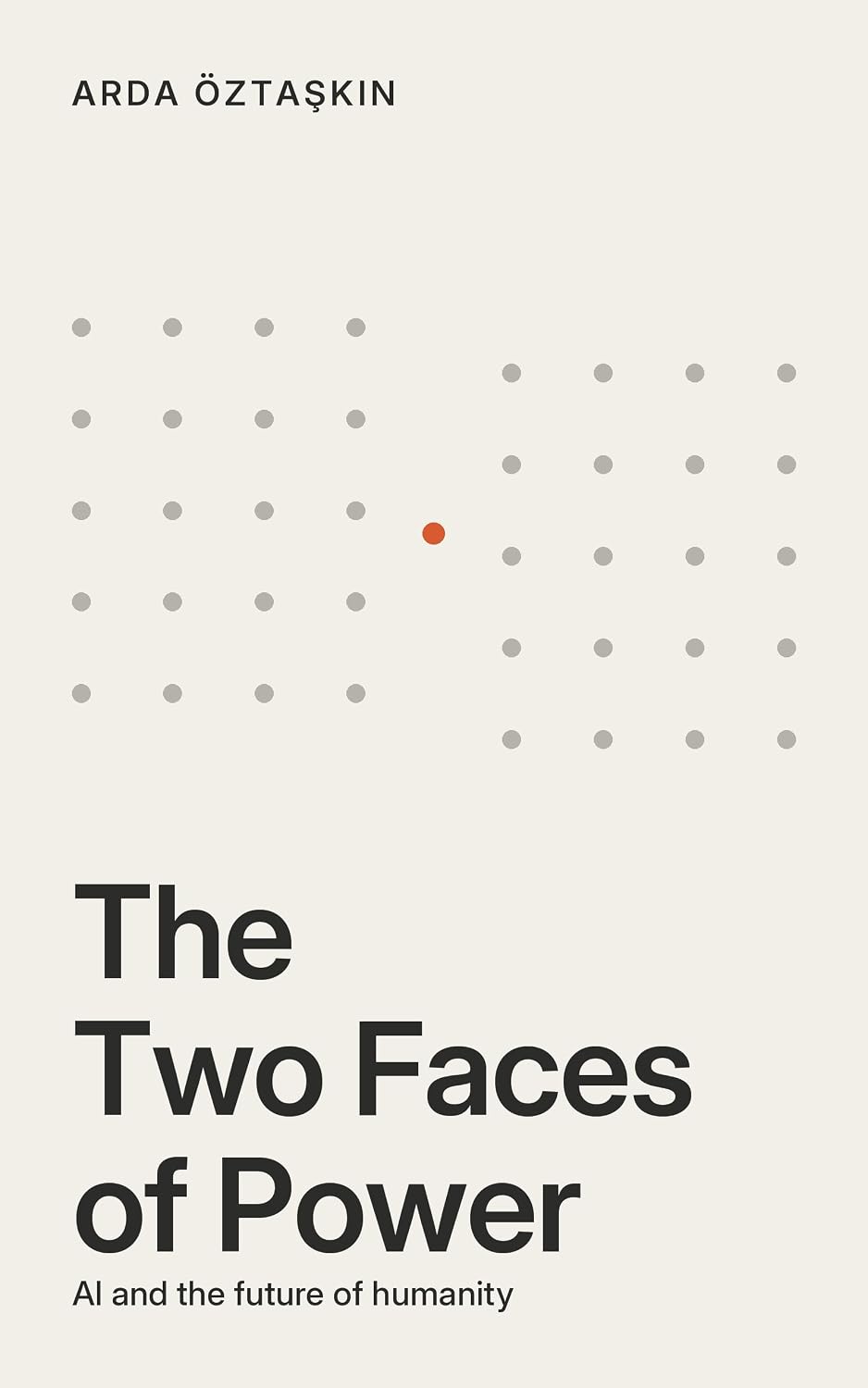
The Two Faces of Power: AI and the Future of Humanity
Original title: Yapay Zekâ: Gücün İki Yüzü
A field guide to AI along the axis of promise and risk — practical framing for individuals and institutions.
Find on Amazon →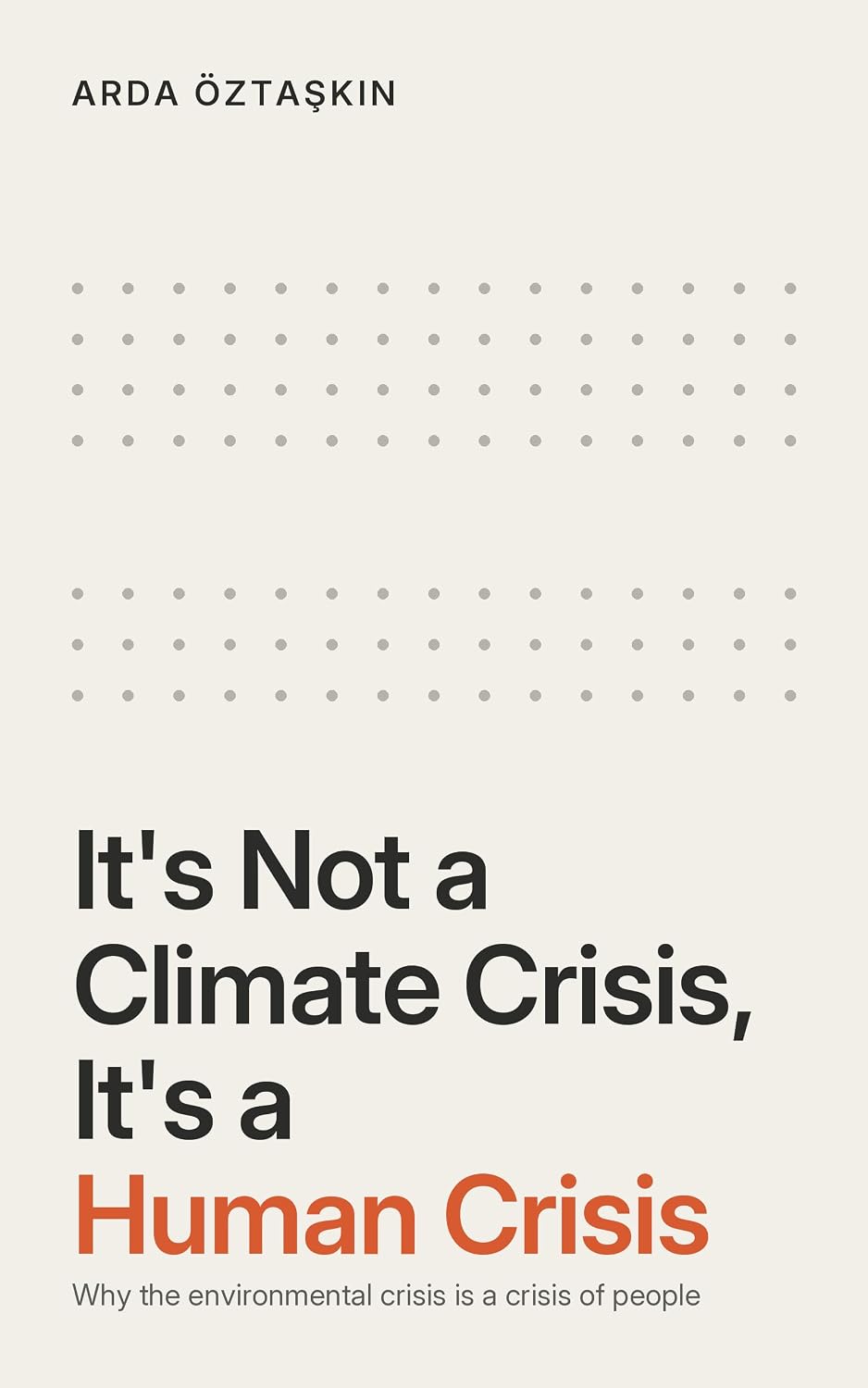
It's Not a Climate Crisis, It's a Human Crisis
Original title: İklim Değil, İnsanlık Krizi
A reading of the climate crisis as a crisis of the human — and a case for personal responsibility inside systemic change.
Find on Amazon →